Amethyst
Amethyst
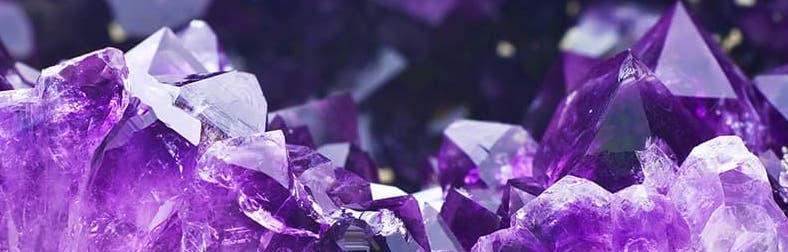
Amethyst is one of the most loved crystals in the world. This violet variety of quartz has been associated with calm, clarity, spirituality, and a touch of luxury. Whether you’re drawn to chevron amethyst, delicate cactus quartz amethyst or bold amethyst clusters, this stone has a lot to offer both collectors and those interested in its metaphysical properties.
In this article, we’ll look at:
- What amethyst is and where it comes from
- Different types of amethyst (with links to specific pieces)
- Metaphysical properties and how people use amethyst
- How to care for your amethyst so it stays beautiful for years
What is Amethyst?
Amethyst is a purple variety of quartz, coloured by trace amounts of iron and natural irradiation. Depending on the deposit, its colour can range from very pale lilac to deep, royal purple with red or blue flashes.
Historically, amethyst was as valuable as ruby or emerald and was often used in royal jewellery and religious artefacts in Europe. Today, it is more accessible but still considered a classic gemstone and a must-have in any crystal collection.
For collectors and crystal lovers, amethyst appears in many forms:
- Transparent, faceted gemstones for jewellery
- Natural amethyst clusters and geodes for display
- Polished freeforms, spheres and points
- Rare and highly sought-after localities like Shangaan amethyst or Ambatondrazaka amethyst
Different Types of Amethyst You Might Love
There is not just one “amethyst”. Different geological conditions create different looks and energies (at least for those who work with crystals). Here are a few popular varieties you may want to explore and link to from your shop.
Chevron
Smoky
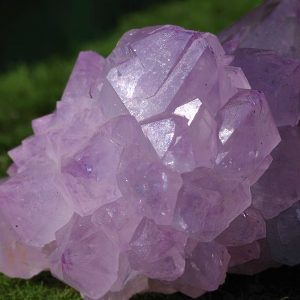
Cactus
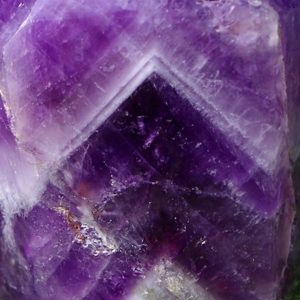
Chevron amethyst combines amethyst with white quartz in beautiful V-shaped or banded patterns. The contrast between purple and white creates striking pieces, especially in polished points and palm stones.
In many crystal traditions, chevron amethyst is seen as:
- A strong stone for intuition and insight
- Helpful for meditation and “seeing the bigger picture”
- Supportive for people who work with dreams or spiritual practices
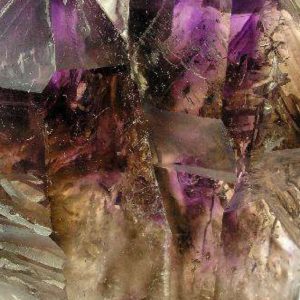
Amethyst and smoky quartz together are often called smoky amethyst. In these crystals, purple and brown to black tones blend in fascinating ways.
Energetically, this combination is often associated with:
- Grounded spirituality – connecting higher insight with everyday life
- Protection and boundary-setting
- Support during stressful periods or big life changes
Cactus quartz amethyst (also known as spirit quartz) comes from South Africa. The main crystal is covered in many smaller points, creating a sparkling, almost floral structure.
People often choose cactus quartz amethyst for:
- Group work – meditation circles, family altars, shared spaces
- Themes of community, family, cooperation and harmony
- Bringing a gentle, uplifting energy into a room


Clusters & Geodes
Shangaan (Chiredzi)
Ambatondrazaka & Akansobe
Classic amethyst clusters and geodes are perhaps the most iconic form of this stone. They make wonderful decorative pieces for a living room, office or therapy space.
They are frequently used for:
- Creating a relaxing atmosphere at home
- Placing near a bed to promote rest and gentle dreams
- Displaying in a workspace for focus and calm
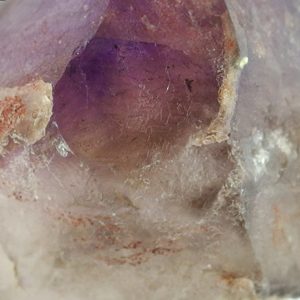
Shangaan amethyst (often from the border region between Zimbabwe and Mozambique) is known for its complex formation – sceptre shapes, elestial surfaces and sometimes inclusions of smoky quartz or other minerals.
Collectors value Shangaan amethyst because:
- Each piece tends to be very unique and sculptural
- It often shows a mix of clear, smoky and purple zones
- It’s associated with deep spiritual work and transformation in many crystal circles
From Madagascar, Ambatondrazaka and Akansobe amethyst are gaining attention among collectors for their distinctive colours and growth patterns. They can show tones from pale lavender to strong, saturated purple, sometimes with interesting zoning.
People often choose these amethysts because:
- They offer something different from traditional Brazilian or Uruguayan clusters
- Pieces often have a soft, almost “dreamy” appearance
- They are seen as supportive for emotional balance and deep self-reflection
Metaphysical Properties of Amethyst
While scientific studies focus on amethyst as a mineral, many people use or carry this crystal for its energeties and high vibration. If you work with metaphysical properties, amethyst is often associated with:
Calm & Stress Relief
Intuition & Spirituality
Protection & Emotional Balance
Amethyst is widely considered a stone of calm, relaxation and inner peace. Many people like to:
- Place a small amethyst on the bedside table to support better sleep
- Keep a piece on the desk to help with focus and reduce mental clutter
- Carry a crystal in a pocket during busy, stressful days
Please note: crystals are not a substitute for medical treatment. If you experience ongoing stress, anxiety or insomnia, it’s always wise to speak to a qualified professional.
In many traditions, amethyst is linked to the third eye and crown chakra and is used for:
- Meditation and contemplation
- Developing intuition or “inner guidance”
- Creating a peaceful atmosphere in yoga or therapy spaces
People sometimes choose specific pieces – for example, chevron amethyst for clarity in meditation or Shangaan amethyst for deeper spiritual work.
Amethyst is also associated with gentle protection and energetic boundaries. Users often say it:
- Helps them feel more centred and less “overwhelmed”
- Encourages emotional balance during changes or difficult conversations
- Supports letting go of unhelpful habits or thought patterns
How to Care for Your Amethyst
To keep your amethyst looking beautiful and energetically “fresh”, a few simple care tips are helpful.
Cleaning Your Amethyst
For most piece:
- Use lukewarm water and a soft cloth or very soft brush
- Avoid aggressive chemicals or strong household cleaners
- Dry gently and do not leave clusters soaking in water for long periods
Energetic “Cleansing”
If you like to use amethyst in a metaphysical way, you may also want to “cleanse” it energetically. Popular methods include:
- Water – briefly hold the stone under running water (avoid for fragile clusters)
- Smoke – use incense or herbal smoke (like sage or palo santo) and pass the crystal through the smoke
- Sound – use a singing bowl, chime or gentle music in a space with your crystals
- Moonlight – place your amethyst near a window during a full moon
Avoiding Sun Damage
Amethyst can fade if it is exposed to strong direct sunlight for long periods.
- Try not to place your amethyst in a window where it receives intense midday sun every day
- Occasional sunlight is fine, but for long-term display choose a place with indirect light
This is especially important for high-quality deep purple pieces such as Shangaan amethyst or Ambatondrazaka amethyst, where colour is a key part of their beauty and value.